

Let's be honest - ready meals have a bit of a reputation problem.
For years, the term "ready meal" conjured images of sad-looking plastic trays, suspiciously long ingredient lists, and that vague guilt you feel when you're too tired to cook. Your nan probably told you they were "full of rubbish."
But is that actually true? Are ready meals bad for you, or has the category evolved while the stigma stayed stuck in 2005?
We dug into the research to find out.
The Short Answer
It depends entirely on which ready meals you're eating.
Some ready meals are genuinely terrible for your health - packed with salt, saturated fat, additives, and mystery ingredients. Others are nutritionally excellent - made with real food, balanced macros, and ingredients you'd actually recognise.
The difference isn't "ready meal vs home cooking." It's about what's actually in the food.
What the Science Says
Recent research paints a complicated picture.
A 2024 review by Tufts University analysed 45 studies involving around 10 million people. They found that for every 10% increase in calories from ultra-processed foods, mortality risk rose by 9%. That's significant.
The same research linked high ultra-processed food consumption to increased risks of:
- Cardiovascular disease
- Type 2 diabetes
- Obesity
- Depression and anxiety
- Cognitive decline
According to Harvard Health, ultra-processed foods are "the perfect storm to promote overconsumption and weight gain" - engineered to maximise appeal while offering little nutritional value.
Meanwhile, BUPA's analysis of UK supermarket ready meals found they "tended to be high in saturated fat and salt, and low in sugar" - though they noted the picture is improving as healthier ranges emerge.
So yes, some ready meals are bad for you. But the key word is "some."
The Real Problem: Ultra-Processed vs Real Food
Not all ready meals are created equal. The health risks come primarily from ultra-processed foods (UPFs) - products made largely from industrial ingredients, chemical additives, and extracted substances rather than actual food.
Think:
- Reconstituted meat products
- Heavily modified starches
- Long lists of emulsifiers, stabilisers, and preservatives
- Artificial colours and flavours
- Ingredients you can't pronounce
These products often undergo high-temperature manufacturing that can create compounds like acrylamide and industrial trans fats - chemicals linked to inflammation and cancer risk.
But here's what often gets lost: a "ready meal" is just food someone else prepared for you. That's it.
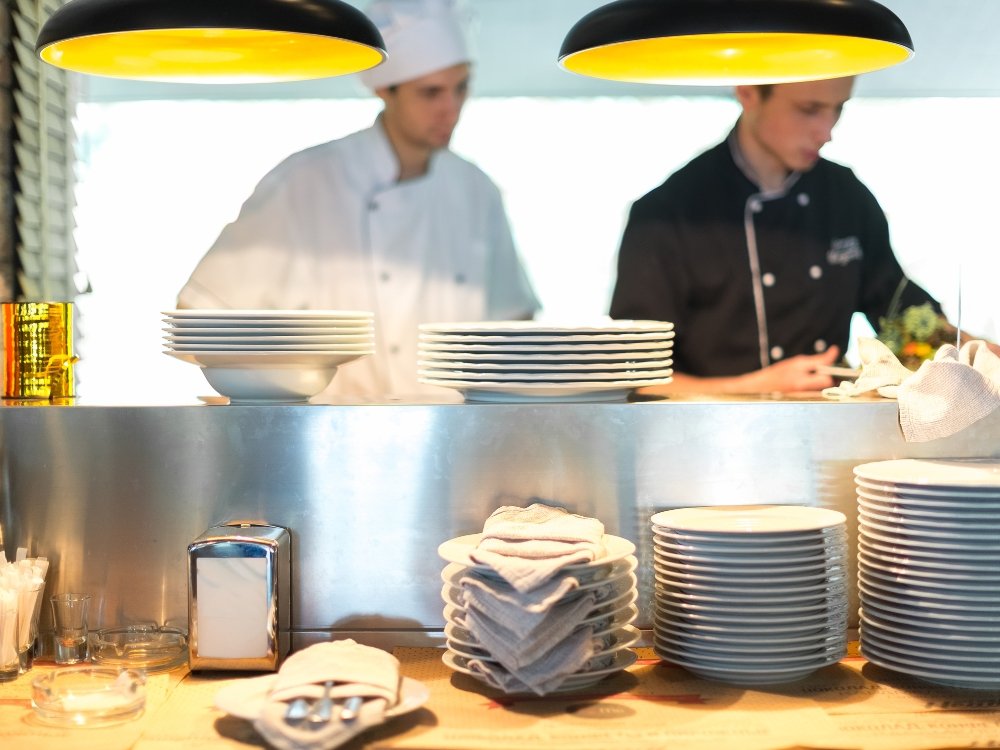
If a chef cooks chicken breast with vegetables and rice, portions it up, and delivers it to your door - that's a ready meal. It's also just... dinner. The same dinner you'd make yourself, minus the prep time.
What Makes a Ready Meal Healthy (or Not)
When you're evaluating whether ready meals are good for you, look at these factors:
Red Flags (What to Avoid)
Excessive sodium: The NHS recommends no more than 6g of salt per day. Some supermarket ready meals contain 3-4g in a single portion - half your daily limit in one meal.
Long ingredient lists: If the ingredients read like a chemistry textbook, that's a sign of heavy processing. Real food doesn't need 30 ingredients.
Added sugars hiding everywhere: Check for glucose syrup, dextrose, maltodextrin, and other sugar derivatives - especially in savoury meals where you wouldn't expect them.
Low protein, high refined carbs: Many cheap ready meals bulk up on pasta, rice, or potato while skimping on actual protein. You end up hungry two hours later.
Artificial additives: Preservatives, colours, and flavour enhancers that extend shelf life but add nothing to nutrition.
Green Flags (What to Look For)
Short, recognisable ingredients: Chicken, rice, vegetables, olive oil, herbs, spices. Ingredients you'd use at home.
Balanced macros: Adequate protein (25g+), reasonable carbs, not excessive fat. Proper meals, not just carb-heavy fillers.
Made recently, not shelf-stable for months: Fresh or freshly frozen meals don't need the preservatives that ambient products require.
Transparent nutrition information: Companies that are proud of their nutrition don't hide it.
Actual cooking, not just assembly: There's a difference between food that's been cooked by a chef and food that's been manufactured in a factory.
The Supermarket Ready Meal Problem
Let's be specific about what's actually concerning.
Most supermarket ready meals - the ones in the chilled aisle for £3-4 - are optimised for:
- Long shelf life (requires preservatives)
- Low cost (requires cheap ingredients)
- Mass production (requires standardisation and processing)
- Broad appeal (requires added salt, sugar, and fat to make bland food palatable)
These constraints make it genuinely difficult to produce something nutritious. It's not that supermarkets are evil - it's that the business model doesn't prioritise health.
Research from Cambridge University analysing UK supermarket ready meals found consistent issues with saturated fat and salt content across most ranges.
The Rise of "Real Food" Ready Meals
Here's where things get interesting.
A new category of ready meals has emerged that doesn't fit the old stereotype. These aren't ultra-processed - they're actual meals, cooked by actual people, using actual ingredients.
The difference:
- Made by chefs, not factories: Small batch production allows for real cooking techniques
- Fresh ingredients: Not reconstituted or heavily processed
- Frozen at peak freshness: Locks in nutrition without needing preservatives
- Designed for nutrition, not just convenience: Balanced macros, adequate protein, reasonable portions
These meals can be genuinely healthier than what most people cook at home - especially if home cooking means reaching for jar sauces, processed ingredients, and the same five recipes on rotation.
So, Are Ready Meals Bad For You?
Ultra-processed ready meals from the supermarket chilled aisle? Probably not great as a dietary staple. Fine occasionally, but not daily.
Chef-prepared meals made with real ingredients? Potentially as healthy as - or healthier than - what you'd cook yourself.
The category is too broad for blanket statements. It's like asking "is restaurant food healthy?" Well, which restaurant? A greasy kebab shop and a Michelin-starred vegetable-focused restaurant are both "restaurants."
How to Choose Healthier Ready Meals
If you're going to eat ready meals (and honestly, who has time to cook every single meal?), here's what to look for:
- Check the protein: Aim for 25-40g per meal. Below that, it's probably carb-heavy filler.
- Check the salt: Under 1.5g per meal is good. Over 2g is getting high.
- Read the ingredients: Can you pronounce everything? Would you use these ingredients at home?
- Consider the source: Is this mass-produced or made by people who care about food?
- Look at the macros overall: Does this look like a balanced meal, or is it 80% pasta with a smear of sauce?
The Bottom Line
Ready meals aren't inherently bad for you. Bad ready meals are bad for you - and unfortunately, a lot of the cheapest, most available options fall into that category.
But the idea that all ready meals are unhealthy, or that cooking at home is automatically healthier? That's outdated thinking.
What matters is what's in the food - not who prepared it.
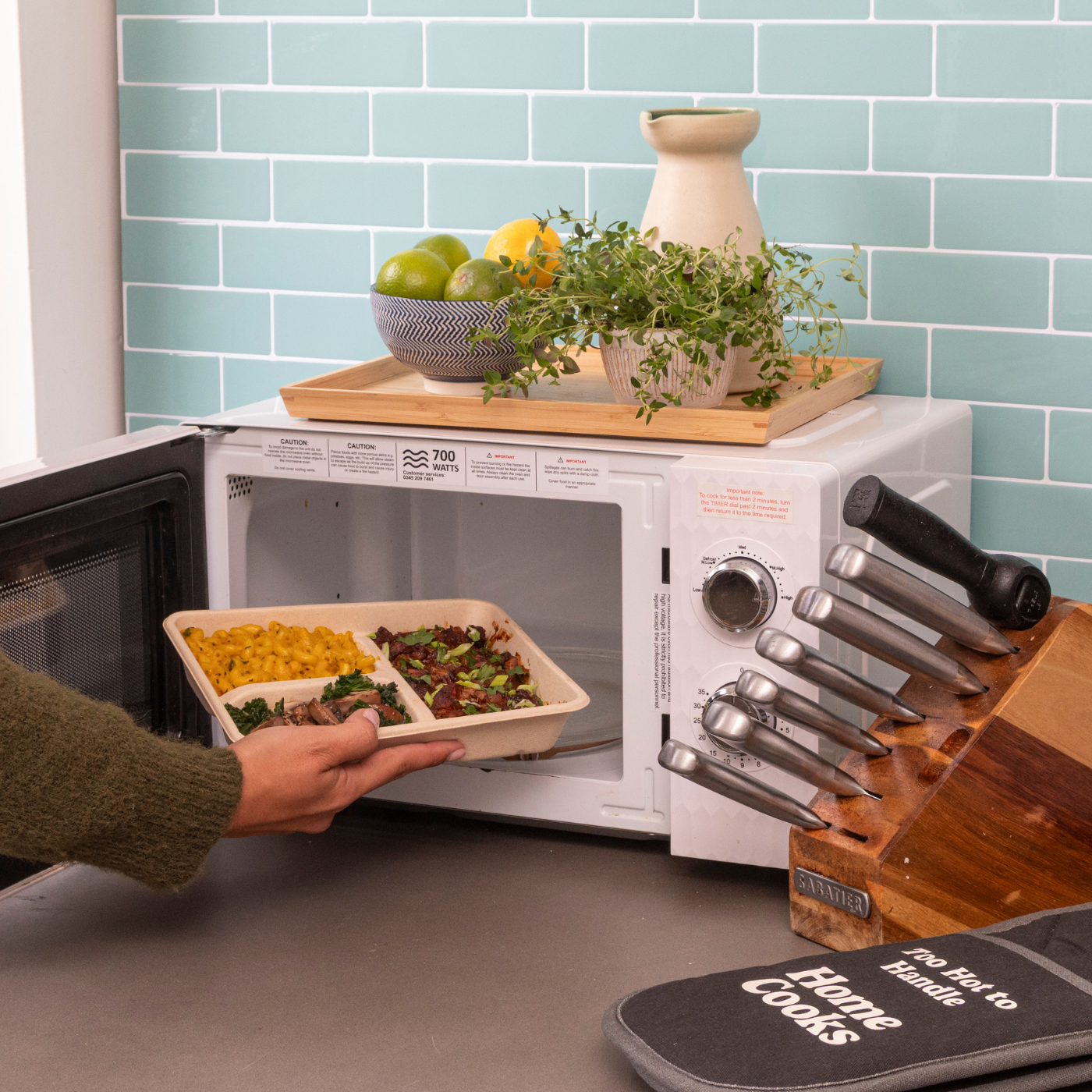
At HomeCooks, we work with independent chefs who make meals using the same ingredients you'd use at home - just without the prep time. High protein, balanced macros, no ultra-processed nonsense. See how it works and discover what real ready meals look like.

Leave a comment
This site is protected by hCaptcha and the hCaptcha Privacy Policy and Terms of Service apply.